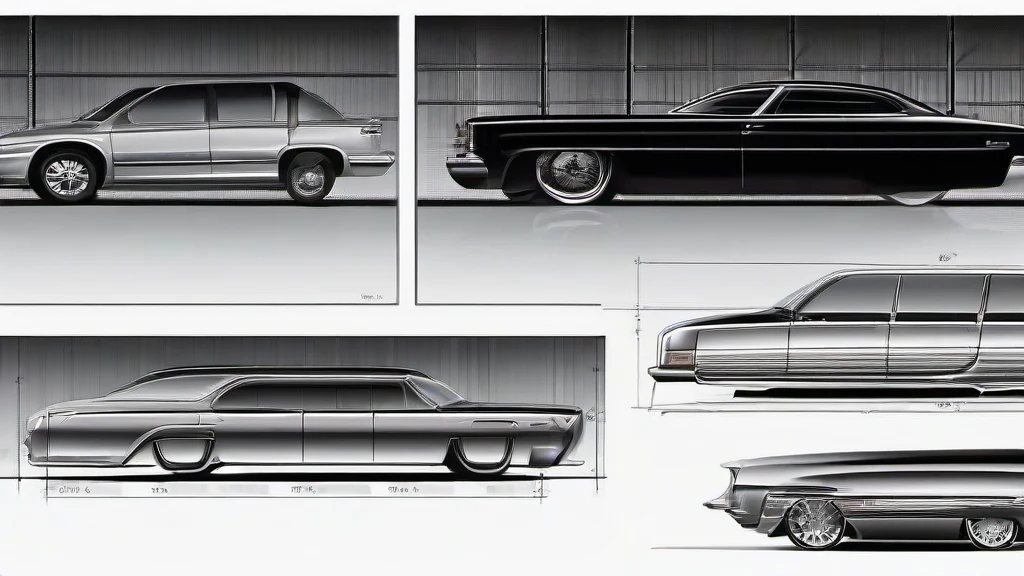
A vehicle’s body style describes its shape, size and basic characteristics. Common categories include sedans, SUVs, hatchbacks, coupes, convertibles, wagons, pickup trucks, and vans or minivans. Within many of those groups, models are also classified as subcompact, compact, mid-size or full-size, in increasing order of size. Some vehicles do not fit neatly into a single category, and luxury models can form separate subgroups.
Sedans have four doors and a three-part profile: a hood, passenger compartment and separate trunk. They range from compact models, which balance passenger and cargo space in a smaller footprint, to full-size luxury sedans that emphasize ride comfort and rear-seat room. Mid-size sedans generally provide more space than compact models, while sports sedans focus on performance.
SUVs are available in sizes from subcompact to full-size. Smaller models offer a higher seating position and additional ground clearance, while compact SUVs combine practical passenger and cargo space with a manageable footprint. Mid-size SUVs may have two or three seating rows; full-size models offer more room and towing capability. Many SUVs are crossovers, built with car-like unibody construction rather than the truck-style body-on-frame design of traditional SUVs. Crossovers typically pair SUV-like seating and clearance with car-like maneuverability and ride comfort.
Hatchbacks have a rear liftgate and combine the passenger area and cargo space, rather than separating the cargo hold into a trunk. Hot hatchbacks add performance-oriented features while retaining that practical layout. Coupes traditionally have two doors and a sloping roof, often trading rear-seat room for style. Performance and luxury coupes add different priorities, while some automakers also use the coupe label for vehicles with four doors and sloping rooflines.
Convertibles have roofs that fold or retract to allow open-air driving. Soft-top versions use fabric or canvas, while hardtop models use folding solid panels. Station wagons sit lower than many SUVs and offer an extended roof and a versatile cargo area. Luxury wagons pair that layout with upscale features; crossover wagons add elements such as raised suspension or all-wheel drive.
Pickup trucks combine a passenger cab with an open cargo bed. Compact pickups prioritize efficiency and maneuverability, while mid-size models balance dimensions, price and capability. Full-size trucks offer larger beds and greater towing capacity, and heavy-duty pickups are designed for demanding hauling work.
Vans and minivans have boxy shapes and spacious interiors. Cargo vans are configured primarily to carry goods, while passenger vans add windows and rows of seats. Minivans are smaller than full-size vans but typically offer seating for at least seven, with an interior designed to make efficient use of space.
Sources: Car and Driver.